


Deliserdang - Bingkawan Village in Sibolangit District, Deliserdang Regency, North Sumatra (Sumut), covering an area of around 250 hectares, is a hilly area.
Bingkawan Village consists of 3 hamlets, one of which is known as Sikeci-keci Hamlet (Hamlet III). Sikeci-keci comes from the Karo language which means "every house must have animals that fly alternately in that place".
Since June 2024, 3 lecturers from USU (FMIPA and FIB) as the LPPM-USU Community Service Activity Implementation Team with the support of Traditional Medicinal Plants resource persons and consultants for village chicken (DOC) and tilapia cultivation have worked together with villagers to overcome the difficulties faced by the community.
Drs Rosman Siregar, M.Si as Team Leader accompanied by Dian Marisha Putri, SS., M.Si and Dr. Zahedi, said that so far, to overcome the difficulty of meeting animal protein needs, villagers have hunted animals in the village forest.
Villagers also have difficulty developing the potential of existing land, including the knowledge and skills of residents to cultivate economic and health commodities effectively.
"So far, residents have used conventional methods to maintain the stability of water volume in ponds, which causes overflow and shrinkage of water in certain weather conditions. And this of course causes instability in harvest results," said Dian Marisha Putri, SS., M.Si, a lecturer from the Faculty of Cultural Sciences (FIB) USU, Friday (26/7).
Furthermore, Dr. Zahedi explained that unpredictable weather anomalies cause temperature changes that affect the growth and development of DOC chickens.
Related to the above, Drs. Rosman Siregar, along with 2 other colleagues, provided intensive assistance to help villagers to truly generate income that can help the economy of families who work on it.
This intensive mentoring will be carried out by introducing and demonstrating tilapia and native chicken cultivation techniques, starting from making fish ponds and chicken coops, spreading fish seeds and chicken seeds, raising them with appropriate feed, anticipating or preventing diseases, regulating good water in fish farming and controlling fresh air in chicken coops, to harvesting and marketing the results of cultivation and training in traditional medicinal plants.
In this activity, a tool is introduced that can open and close the valve on the pond flow, so that it can avoid uncertain water stability, in addition to being able to be applied to provide decisions on controlling the temperature of the chicken coop.
"DOC chickens need warm room conditions in order to grow and develop well. Bingkawan Village has a significant difference in temperature during the day and night. Plus when the weather is rainy, the temperature will drop so that it affects the growth and development of DOC chickens," he explained.
All of these intensive mentoring activities are a form of devotion to the Bingkawan Village community so that they can increase family income while meeting the need for animal protein consumption and additional insight related to traditional medicinal plants.
This community service activity will be carried out for 6 months by involving students.
The Head of Bingkawan Village, Erick Estrada Tarigan, through the Village Secretary, Julianus welcomed the activities of the lecturers of FMIPA and FIB USU, therefore specifically inviting the residents of Sikeci-keci Hamlet to actively cooperate with the implementation team.
"I also ask residents to be willing to learn from each other or share experiences with USU lecturers and students to achieve the expected results," he said.
Carried Out in Stages
Drs. Rosman Siregar explained that the community service activities in the form of intensive mentoring will be carried out in stages. The stages of this activity aim to see the extent of enthusiasm and success of the program or activity being carried out.
The first activity is DOC chicken cultivation, followed by freshwater fish (tilapia) cultivation, then the next activity is medicinal plant training. At each stage, an evaluation will be carried out to assess the success of the program or activity.
Dian Marisha Putri, SS., M.Si added that the most important thing in this activity is the process, time, energy, and thoughts that have been spent will certainly be very beneficial for the parties involved, including the users of the benefits.
"Because, this simple thing will be able to help villagers to meet their needs for animal protein and insight into traditional medicinal plants," he said.
Involve Students
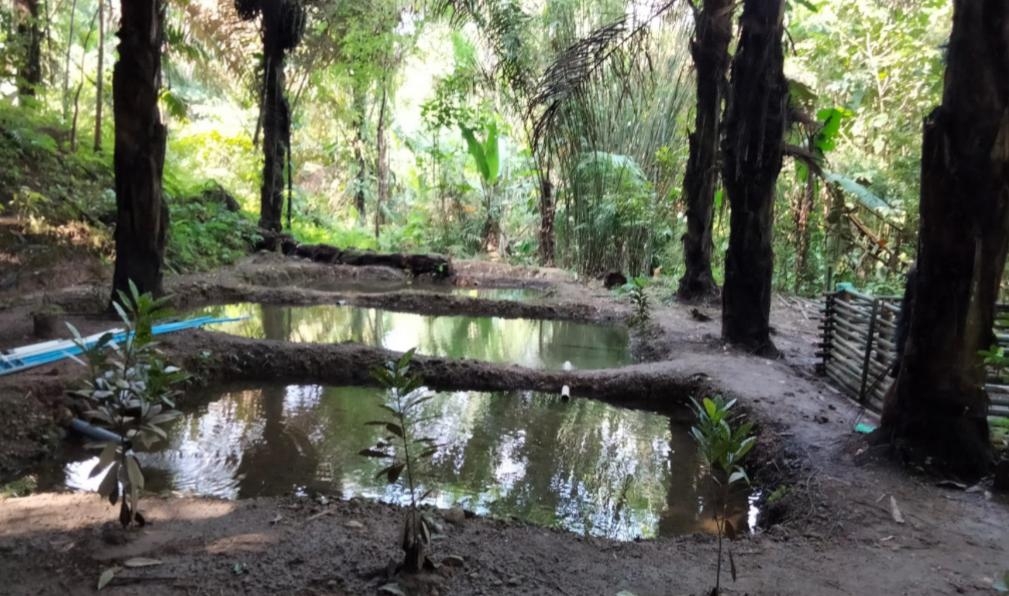
Until now, the implementing team has sown tilapia broodstock in several earthen ponds in the valley area. The sowing of tilapia broodstock was followed by an explanation to the pond owners about how to cultivate tilapia properly, so that it is expected that they will mate and lay eggs soon, then reproduce quickly, so that they can also be distributed to ponds owned by other residents, so that they can also meet daily protein needs.
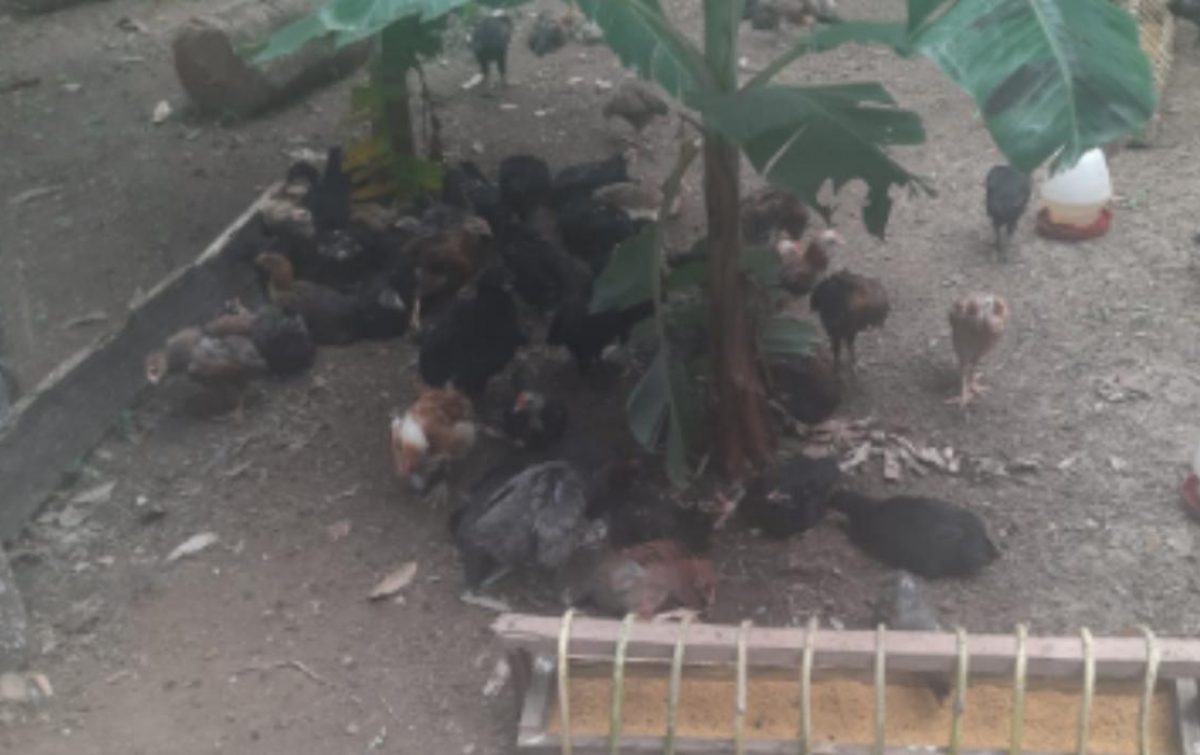
In addition, the procurement of DOC native chicken seeds has also been carried out and has begun to be cultivated by the community in the hilly areas. Currently, the implementation team together with the community is working and monitoring its development to obtain significant results.
Concluding his statement, Drs. Rosman Siregar, M. Si explained that the community service activities in Dusun III (Sikeci-keci) Bingkawan Village also involved 5 FMIPA USU students from the Mathematics study program, so that the students can also hone their sensitivity to the problems faced by the community.
"Then in turn they are also moved to actualize their potential to help overcome these problems," he said.
Source: https://analisadaily.com/berita/baca/2024/07/26/1054245/lppm-usu-bantu-pemenuhan-kebutuhan-protein-hewani-warga-desa-bingkawan/